
Living along the Southeastern United States coastline, the Gullah-Geechee are descendants of enslaved West and Central Africans taken from Angola and the “Rice Coast” of West Africa, which includes present-day Sierra Leone, Senegal and Liberia. Kennedi Carter’s WePresent-commissioned project, “The water bring we, the water wanna take we back,” traces their ancestry and spirit, focusing on the fight to preserve their land and the waterways that shaped their history. The artist tells Yasmin Alrabiei how these flowing waters embody the enduring force of life and culture—carrying the spirit and resilience of generations past, present and yet to come.
Photographer Kennedi Carter’s latest series turns to the Gullah-Geechee coastline, archiving each moment that has passed its banks, and the ones yet unfolding. “While I was out there, I knew I wanted to explore the non-extractive relationships that Black folk have with the land as well as the water,” she says. “I encountered the phrase, ‘The water bring we, the water wanna take we back…’ and I think, although it’s a Geechee proverb, it kind of encapsulates the relationship generally that Black people have with the ocean, and I would say maybe the Eastern seaboard at large, a place that houses a lot of the slave ports that many of our ancestors passed through. And so it acknowledges that the water brought we—it brought us here. And the water is what can also connect us back to our cosmologies.”
Carter’s series turns to the lifeways of the Gullah-Geechee: descendants of enslaved West and Central Africans taken from Angola and the “Rice Coast” of West Africa, which includes present-day Sierra Leone, Senegal and Liberia, and forced to cultivate the same grain in the salt marshes of a new continent. Spanning the Sea Islands of the Carolinas, Georgia and Florida, they are the living inheritors of that crossing. Formed in relative isolation, these Lowcountry communities fused West and Central African traditions with Caribbean influences and Indigenous American knowledge. Today they uphold creole language, spirituality, foodways and artistry that trace directly to the African continent in ways unmatched elsewhere in the United States.
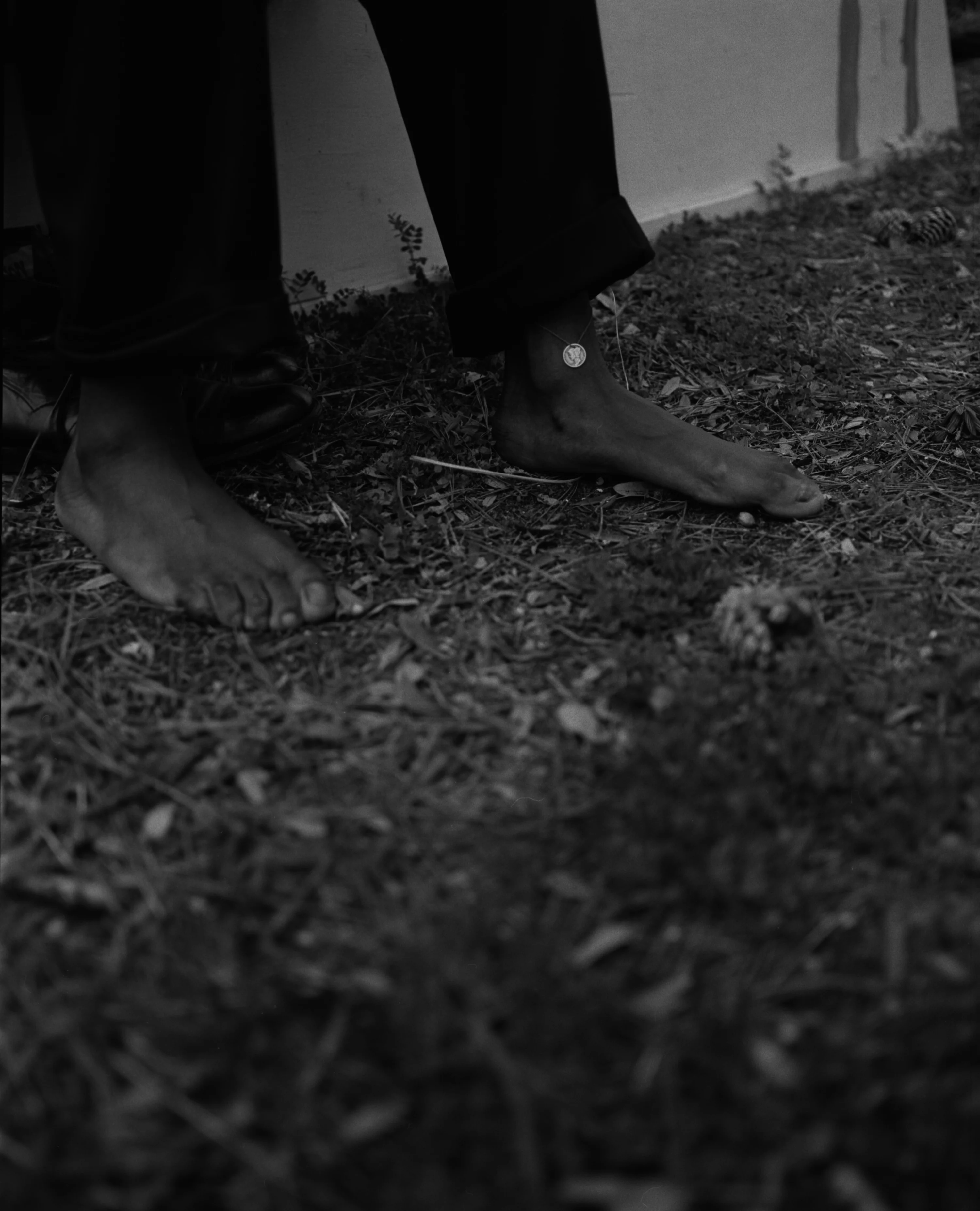
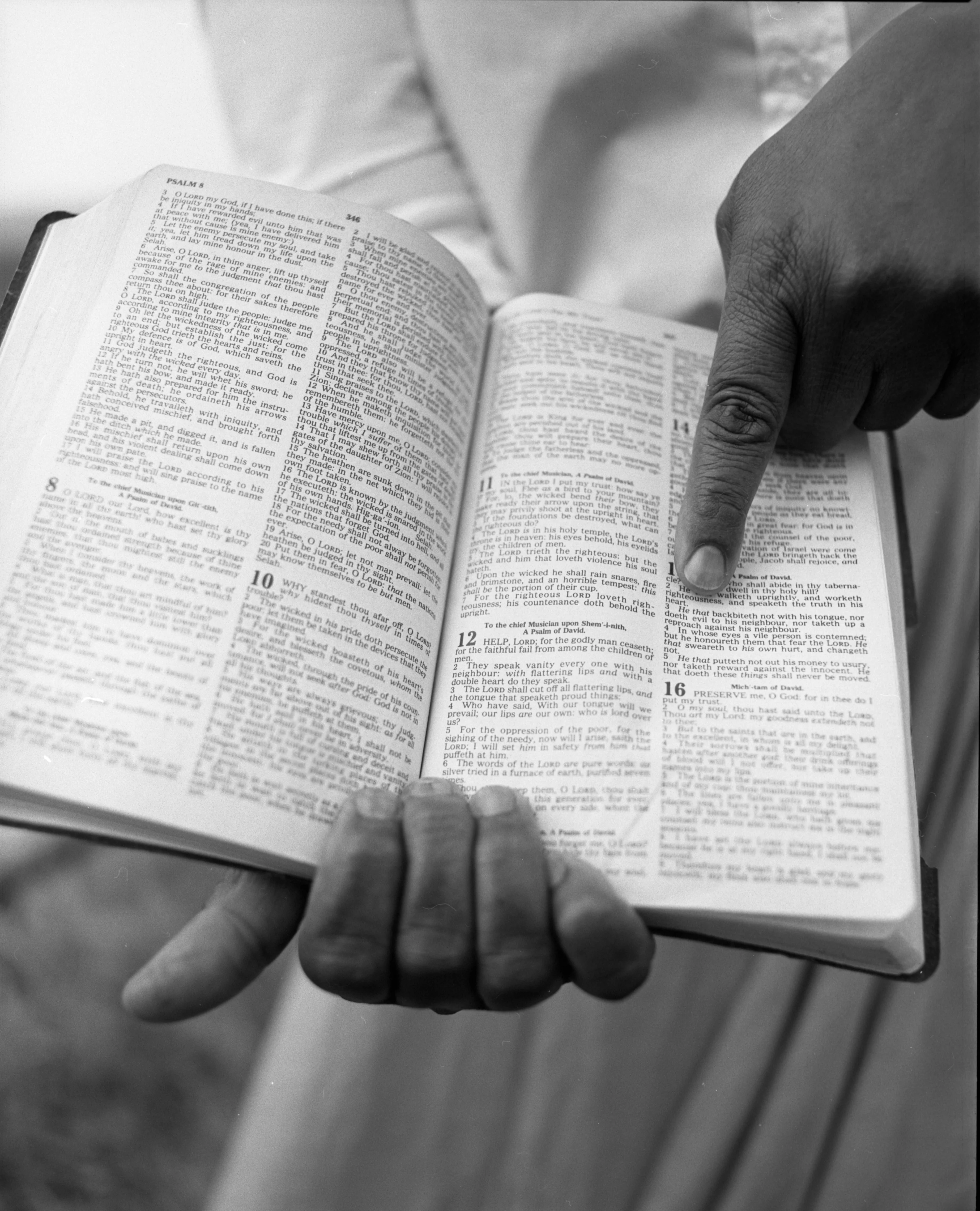
The water brought we–it brought us here. And the water is what can also connect us back to our cosmologies.
Born in Durham, North Carolina and raised in Dallas, Texas, Carter’s photography meditates on the emotional and spiritual inheritances of Black Southern life, absorbing the historical and sociopolitical forces that continue to mold its lived texture and, crucially, its moments of tenderness.
“My family is from Texas by way of Lake Providence, Louisiana. My grandfather was a pastor of a church for probably over 50 years,” she says. “He was also a theologian. So, I have these different ties to African American Southern Christian practices. But my grandfather, during his time in Lake Providence, had a lot of stories of different things that he’d seen, interesting stories about conjure men and root workers, who could make snakes move backwards and make transient men return home to their wives.”
What emerges from Carter’s reflection is a fusion of spiritual lineages that outsiders often mistake as incompatible. In truth, African American Southern religiosity has always held layered, convergent cosmologies. Lowcountry mysticism draws deeply from Hoodoo—an African American practice shaped from West and Central African healing rites. Long concealed within Black churches, it survived as a fugitive tradition under enslavement. Though recently depicted more fairly in Oscar-winning “Sinners” via the conjure woman Annie, seen throwing bones and working with a mojo bag, it remains widely misrepresented, sometimes confused with Vodou (of Haitian origin), and Louisiana Voodoo.
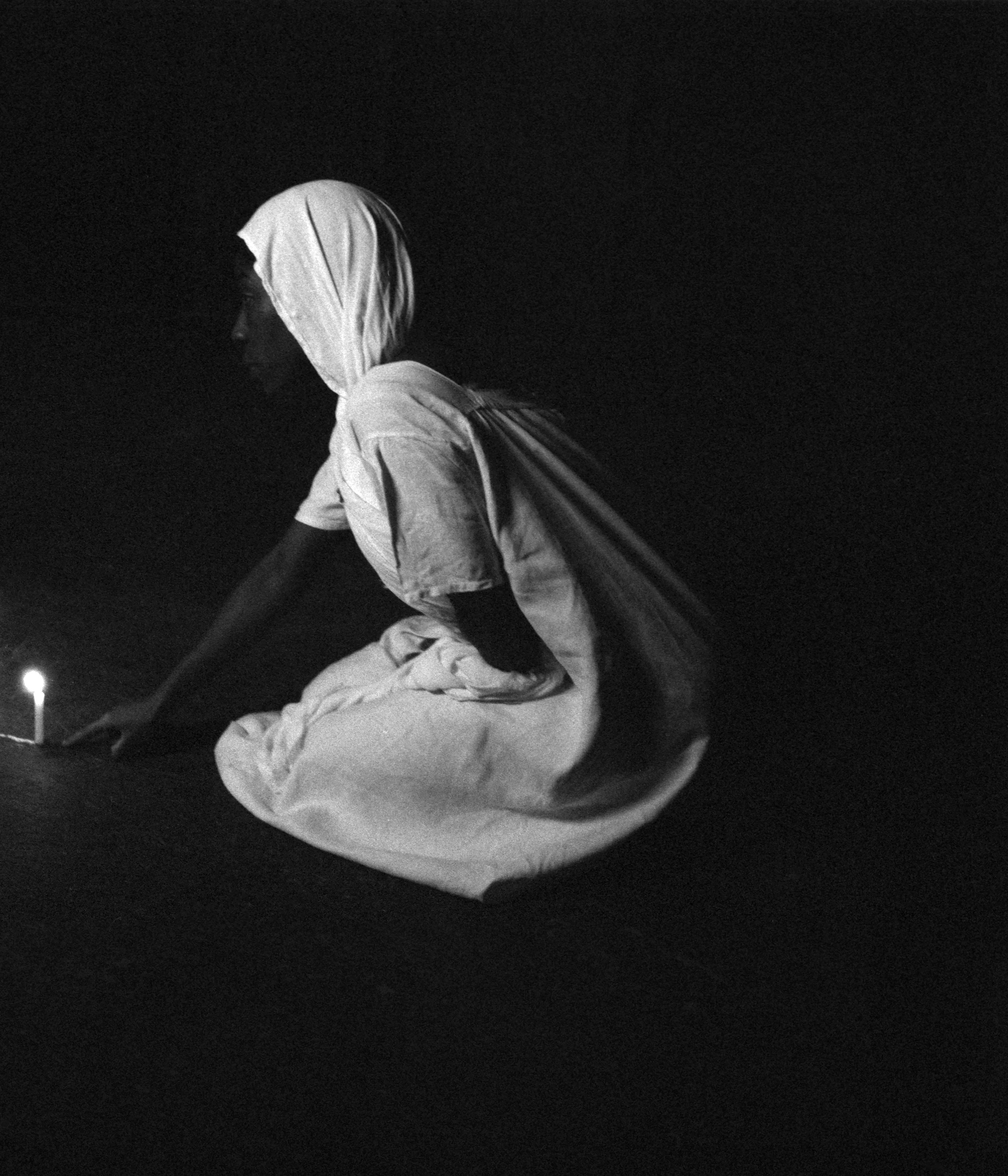
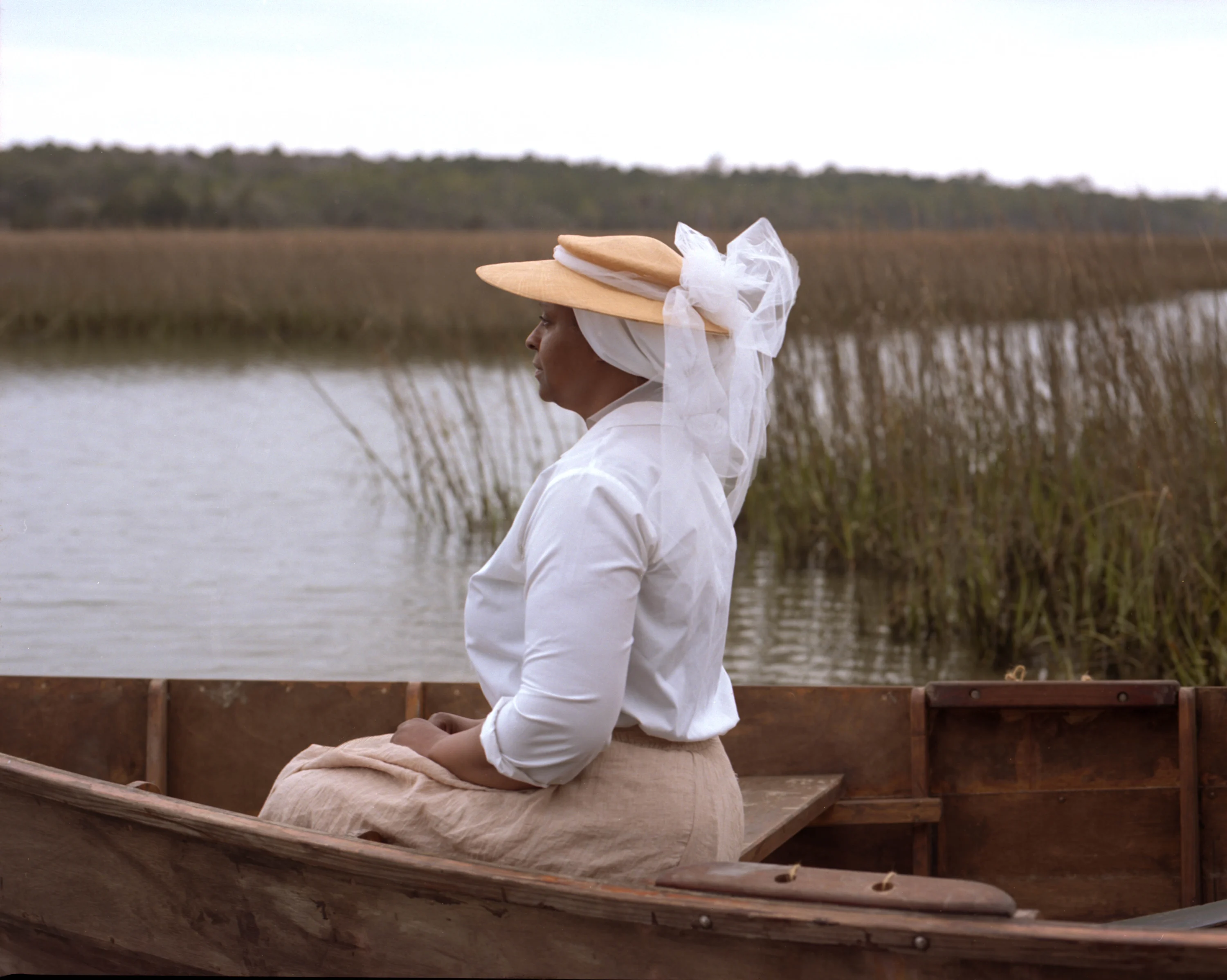
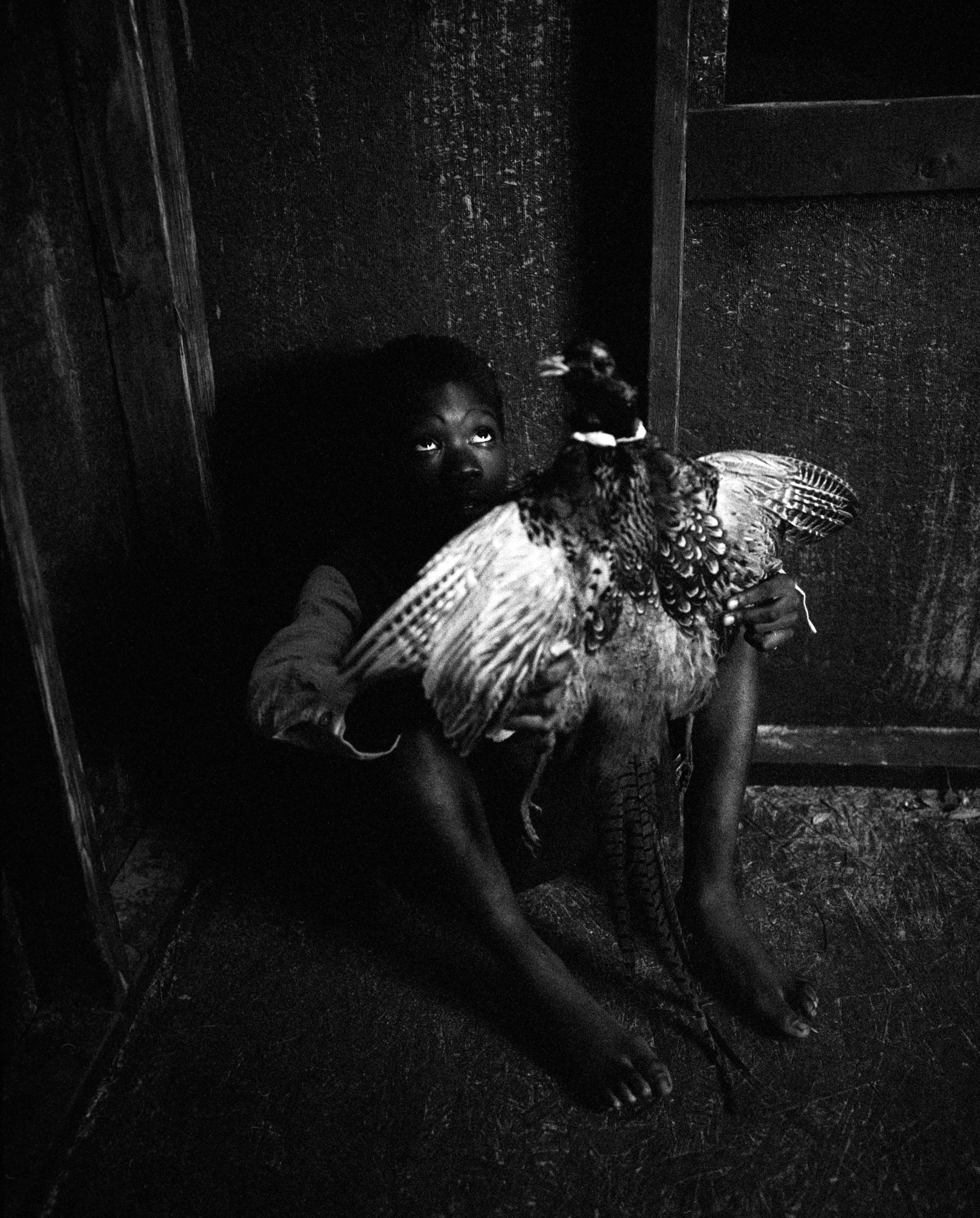
Carter’s images do not capture spiritual tradition as a static subject or flatten it into something exotic. The black-and-white pictures study a cosmology in which the otherworldly is not purely ceremonious, but where spirituality inhabits the ordinary.
“I would say one of the first and foremost pillars of Hoodoo is land and nature, along with ancestor veneration,” she says. “If I were to be making a project that is a survey of Conjure practice or Hoodoo practice or Earth work in the Gullah-Geechee corridor or the South at large, landscape images end up being crucial to the storytelling.” In this project, Carter elevates the natural world from backdrop to protagonist.
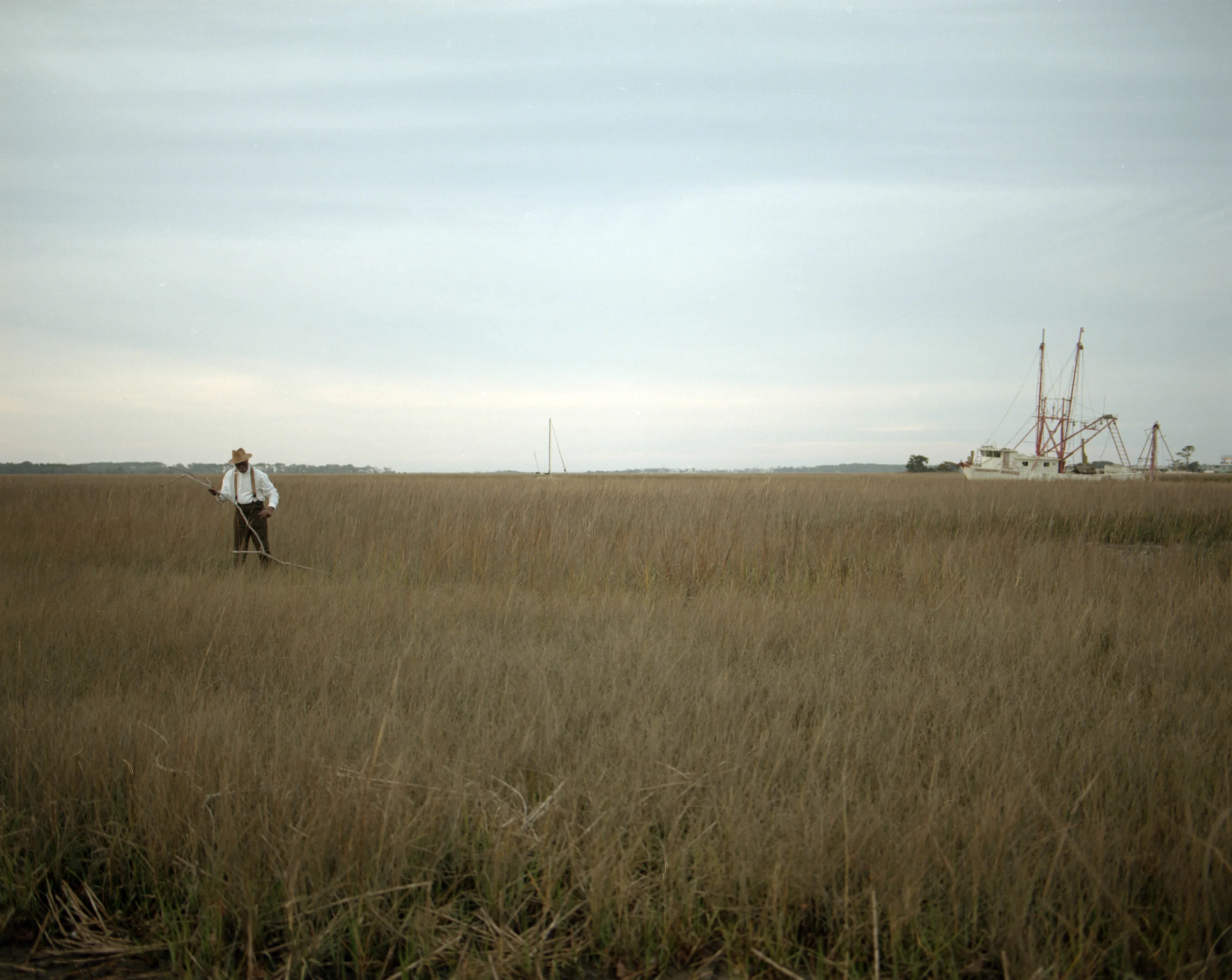
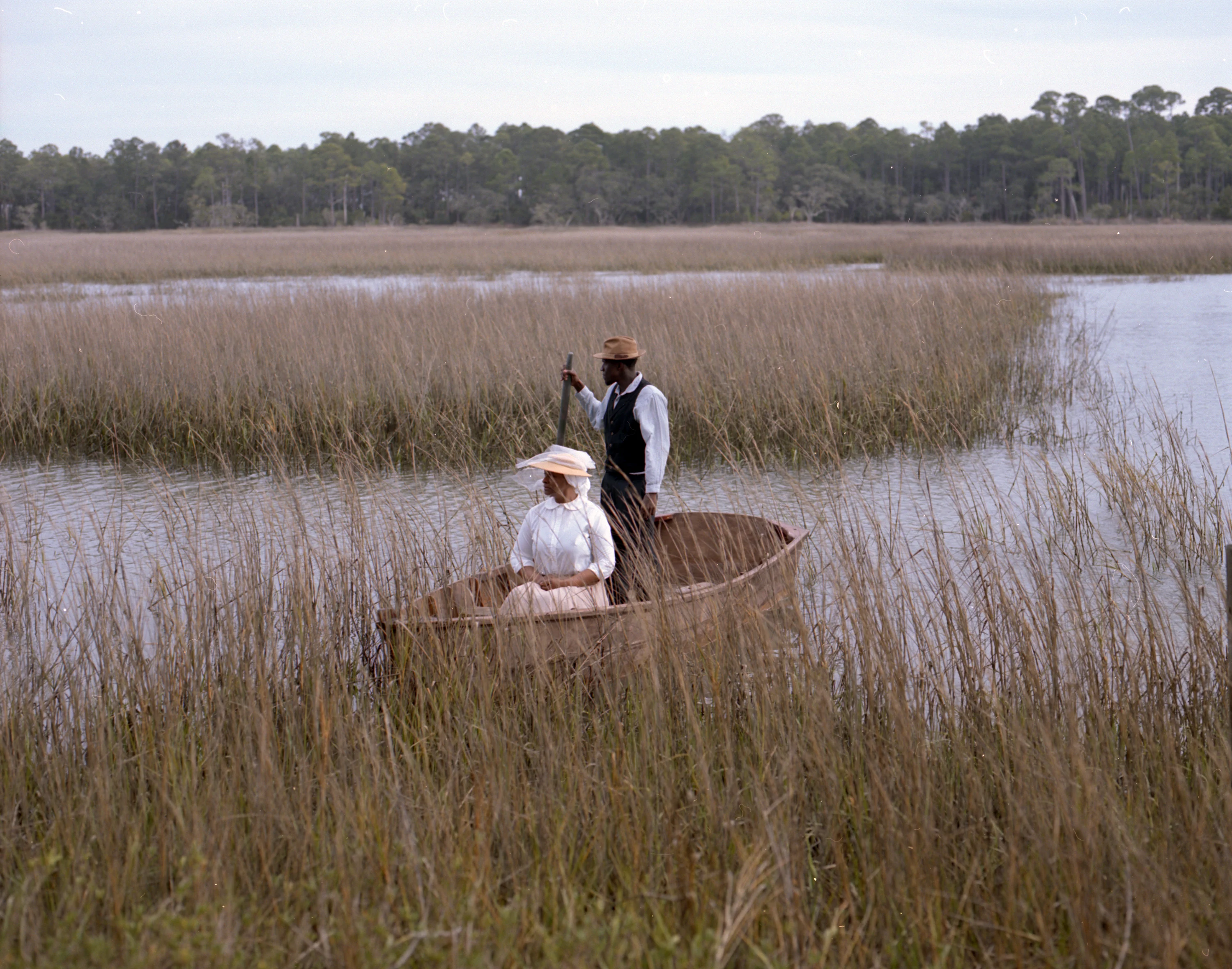
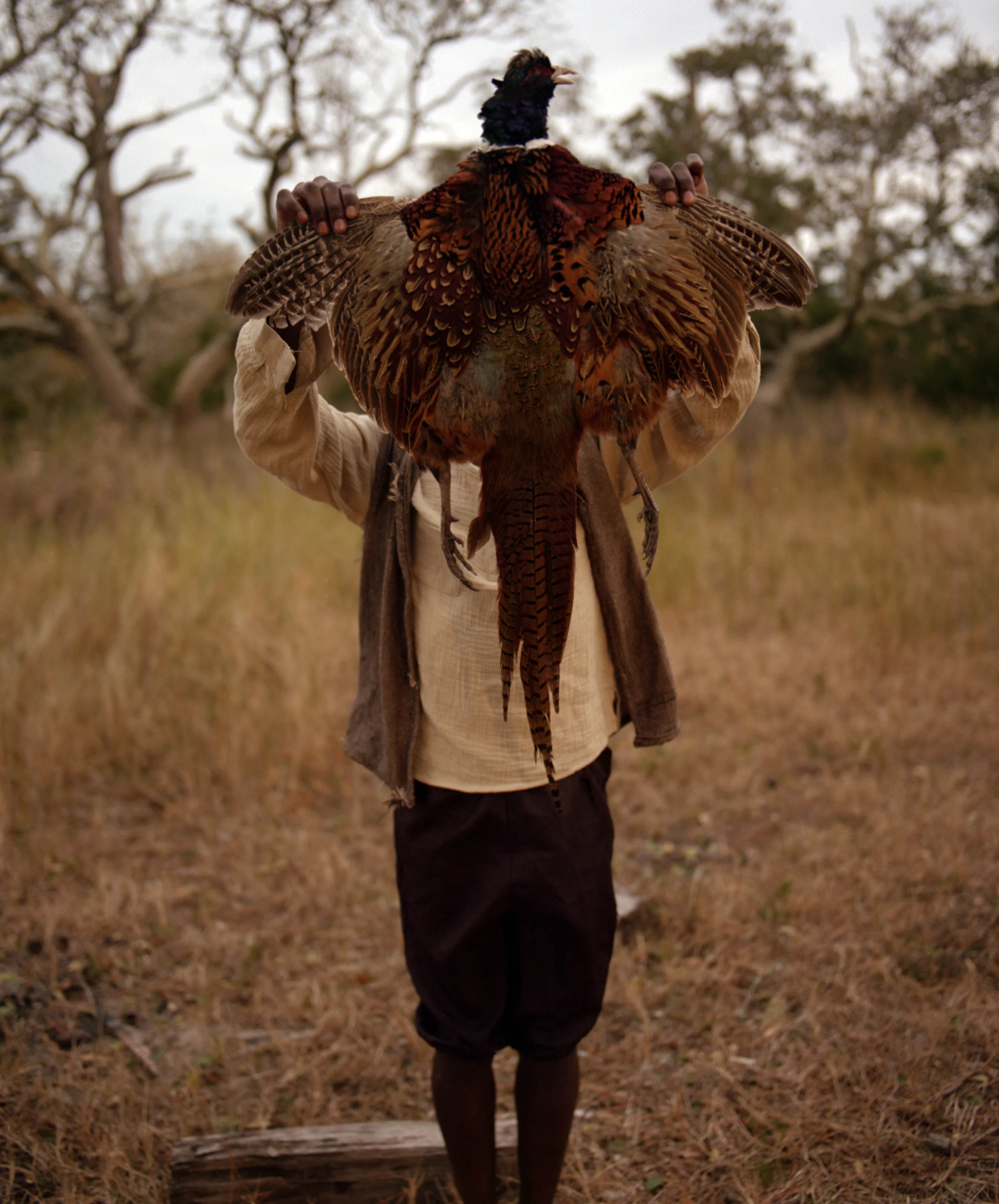
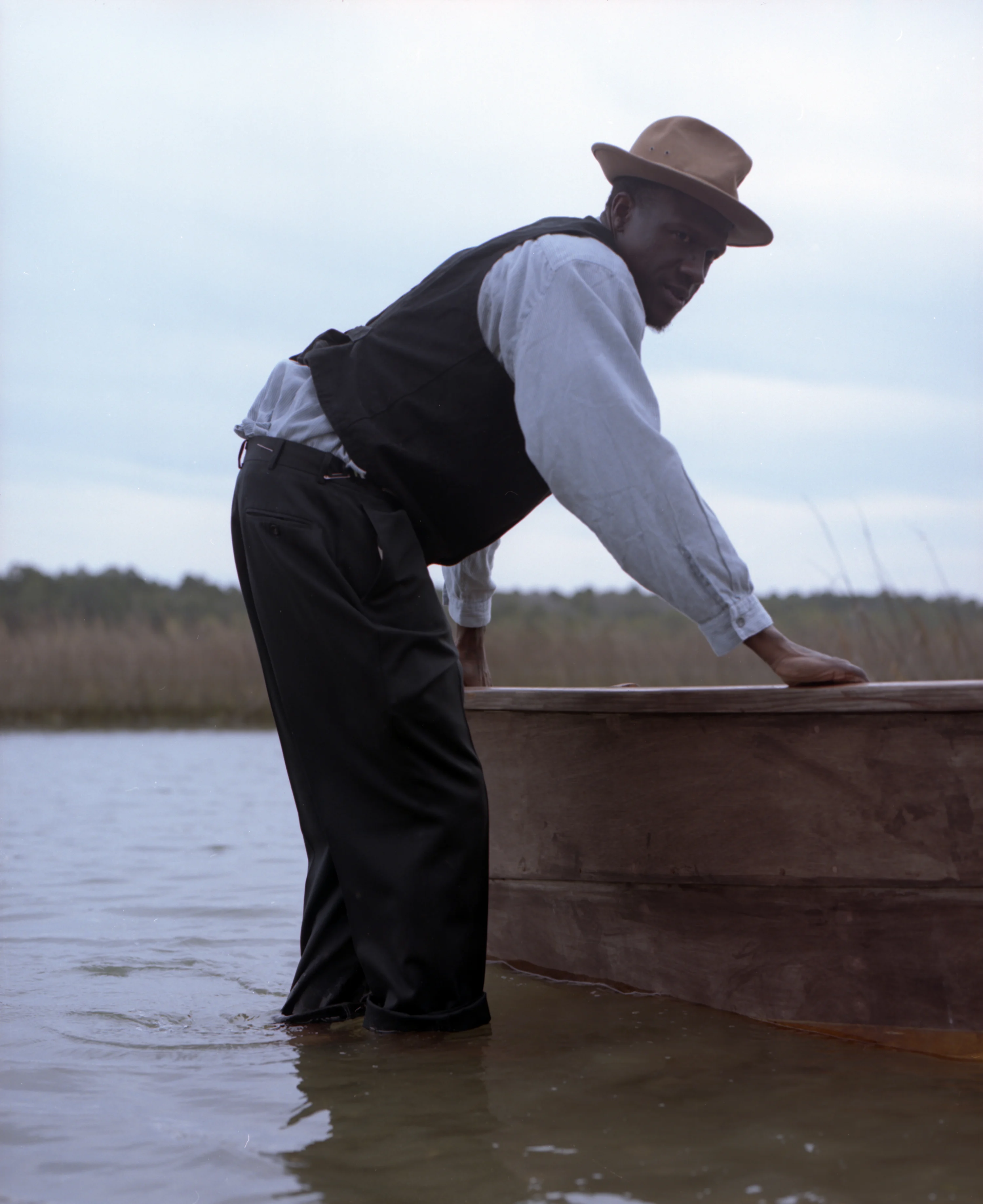
In one image, a young boy lifts a pheasant, its feathers fanned displaying their vivid patterns. Photos of an ancient oak draped in Spanish moss and a man wading his boat into the tide all speak to an ongoing, reciprocal dialogue with the land—“where there’s a tree, there’s an ancestor” is a quote from her friend’s father, a Jacksonville native, that moved her.
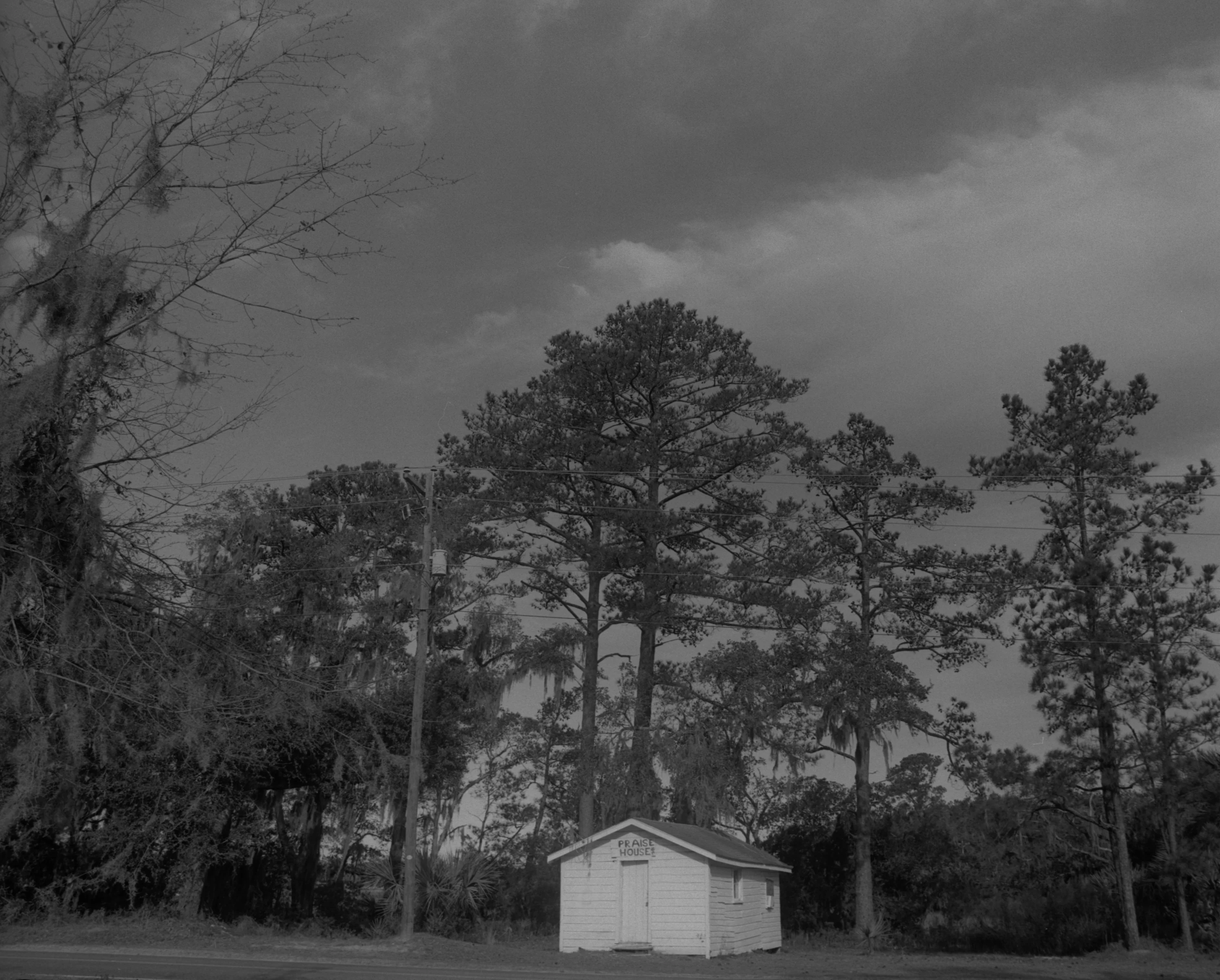
I think that hope is one of those things that inherently exists in the south but… fatigue comes with having to defend your right to exist.
Carter tells me she has been working on a “dummy book,” with a particular influence guiding her sequencing of the images. “The Kongo Cosmogram,” she says. “In short form, it’s a diagram that maps the cycle of death and rebirth, the rising and setting of the sun, and the crossroads that separates the physical world and the spirit world. This separation is divided by what’s called the Kalunga line, which is usually depicted as a river. In the book, I’m using the Combahee River in South Carolina to divide these worlds. I’m using those landscape images within the project to almost build a map of the corridor through this spiritual lens—using the Cosmogram as a compass for wayfinding.”
Carter adds further historic context; this was the same river along which Harriet Tubman liberated many enslaved people during the Civil War of 1861-1865. A perilous mission to say the least, carried out under constant threat from nearby Confederate soldiers. That being said, it was one that turned the tides of the war, as many of those enslaved along the Combahee went on to enlist in the Union army.
Water is, after all, the planet’s oldest memory. There is no new water on Earth—each drop on an endless migration through cloud, aquifer, estuary, body and storm. Toni Morrison reflected on this in “The Site of Memory.” “All water has a perfect memory and is forever trying to get back to where it was,” she wrote, and before that, Martinique-born philosopher Édouard Glissant would speak of the embodied qualia between the Atlantic Ocean and African descendants in “Poetics of Relation.”
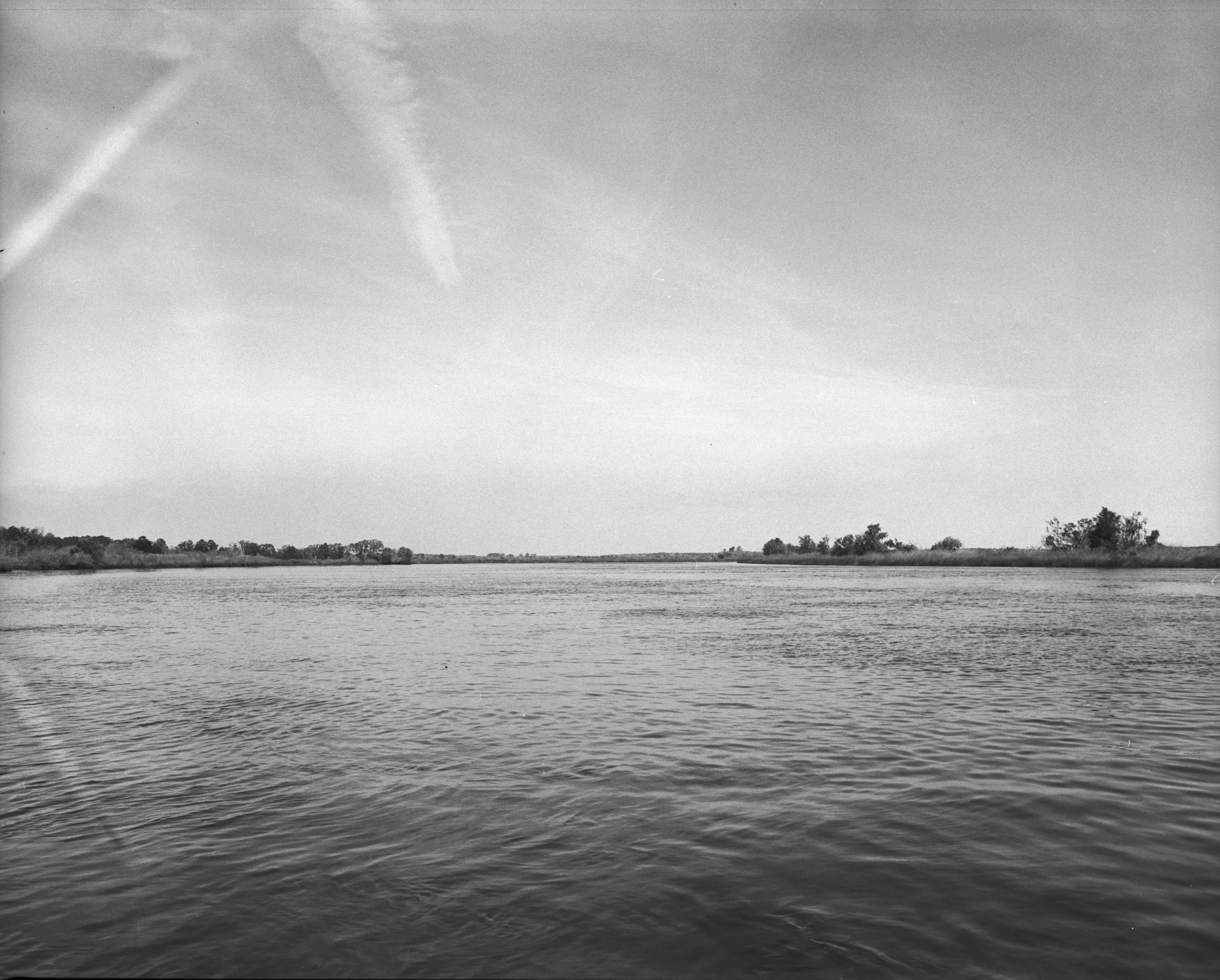
Despite their deep cultural continuity, the Gullah-Geechee community faces economic uncertainty, commercial threat from tourism and the accelerating impacts of climate change and rising sea levels. Hurricanes have long reshaped lives and coastlines along the Georgia-South Carolina seaboard as the region sits directly in the path of Atlantic storm formation, making it especially vulnerable by its shallow continental shelf and low-lying, gently sloped shoreline. If it’s not climate, it’s the fight against developers building luxury resorts over their sacred spaces and cemeteries.
Carter’s series doesn’t dwell on these concerns but doesn’t obfuscate them either, channeling the energy of Black thriving and enduring faith that has buoyed this lineage for eons. “I think that hope is one of those things that inherently exists in the South,” she says, given all their forebears have endured and survived. “But I understand still that optimism brings a level of weariness. I would say fatigue comes with having to defend your right to exist on a land that you’ve been in or living on ancestrally. Some of us for 400 years. So I think, while I try to lean into the hopefulness of it all, I’m also pulling from the lived experiences of these people.”
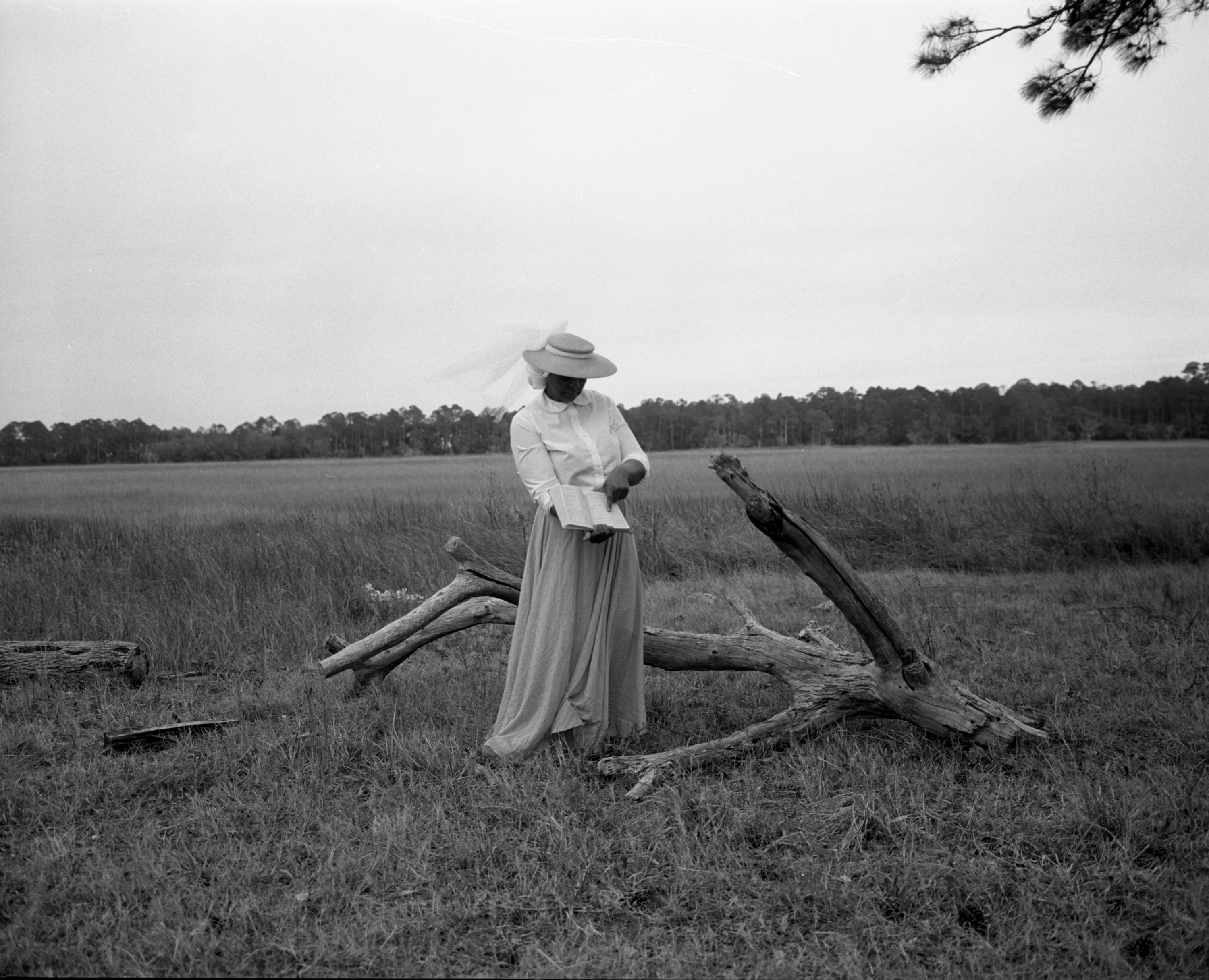
Carter explains that Cornelia Walker Bailey’s memoir “God, Dr. Buzzard, and the Bolito Man” deeply shaped her thinking. Written in the storytelling tradition of the West African griot, Bailey recalls her Gullah-Geechee childhood on Sapelo Island, Georgia, and the striking continuities she recognized when visiting Sierra Leone. The Sea Islands and West Africa mirror each other so closely that the Atlantic gap collapses, folding two geographies into one shared inheritance. “That’s something I’d really like to drive home,” she adds.
For Carter, this wasn’t a casual protocol of arriving at a place and making pictures. “I needed to do various forms of ethnographic research and actually sit at an elder’s feet in order to learn,” she says, “about what life is like, what it means to exist there. And essentially fight every day to keep the land that you are entitled to.” Water courses through this land like a nervous system carrying the sensory charge of Black history in its depths. There is pain there, but undeniably a kinetic force of life and thriving that binds, like a connective tissue for the Afro-native and Afro-diasporic, a current of remembrance and return. The Gullah-Geechee knew it first: the water bring we, the water wanna take we back.