

Growing up in a Coptic community, Kareem Arteen would hear stories from his mum about the pilgrimage to the Monastery of the Virgin Mary in Dronkah, Egypt, where she would stay for 15 days and celebrate. As a child, he couldn’t experience it himself, but now, he has been able to attend as a photographer to document this annual celebration. He tells Dalia Al-Dujaili why it’s so important to document and preserve these sacred traditions before they change or disappear.
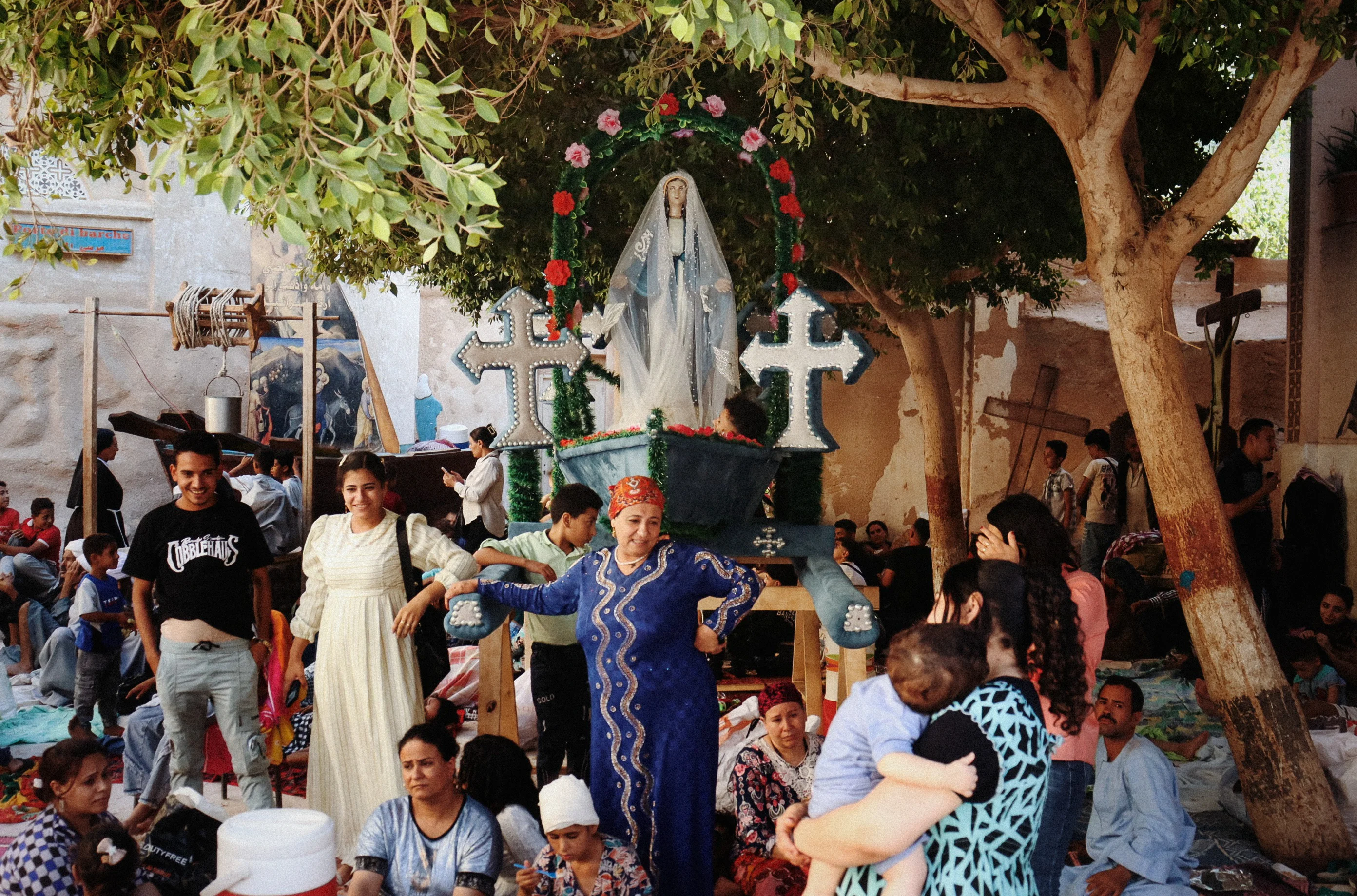
In around 4 or 5 BC, Mary travelled with her husband Joseph to Egypt to escape King Herod’s persecution and deliver their baby boy safely. After their years-long exile in Egypt, according to the Coptic community, they finally arrived in a place named Dronkah, Assiut in Upper Egypt before they boarded a boat on the Nile River to return to Nazareth. Centuries later, the Coptic tradition honors this place with a monastery as a pilgrimage site which thousands flock to yearly.
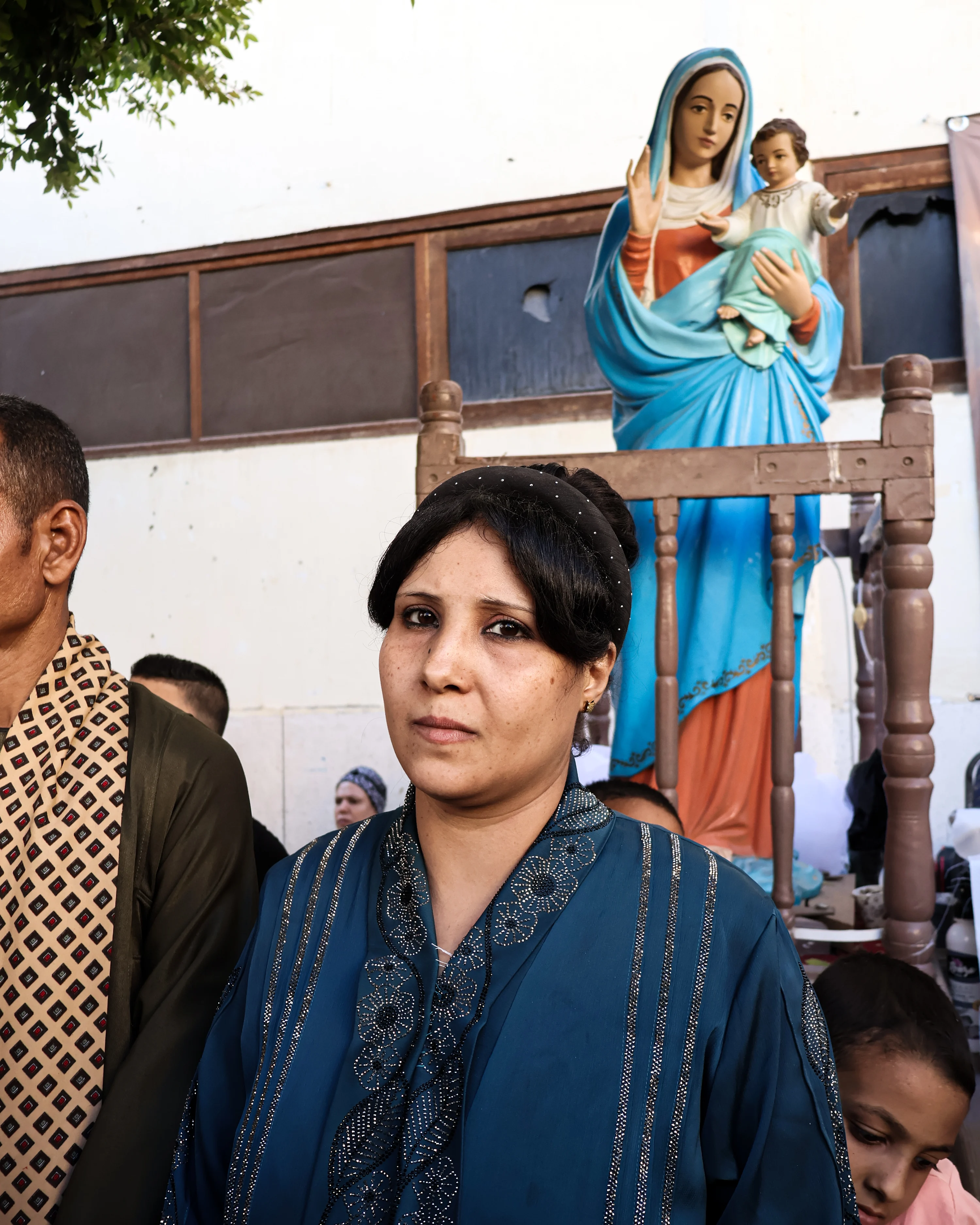
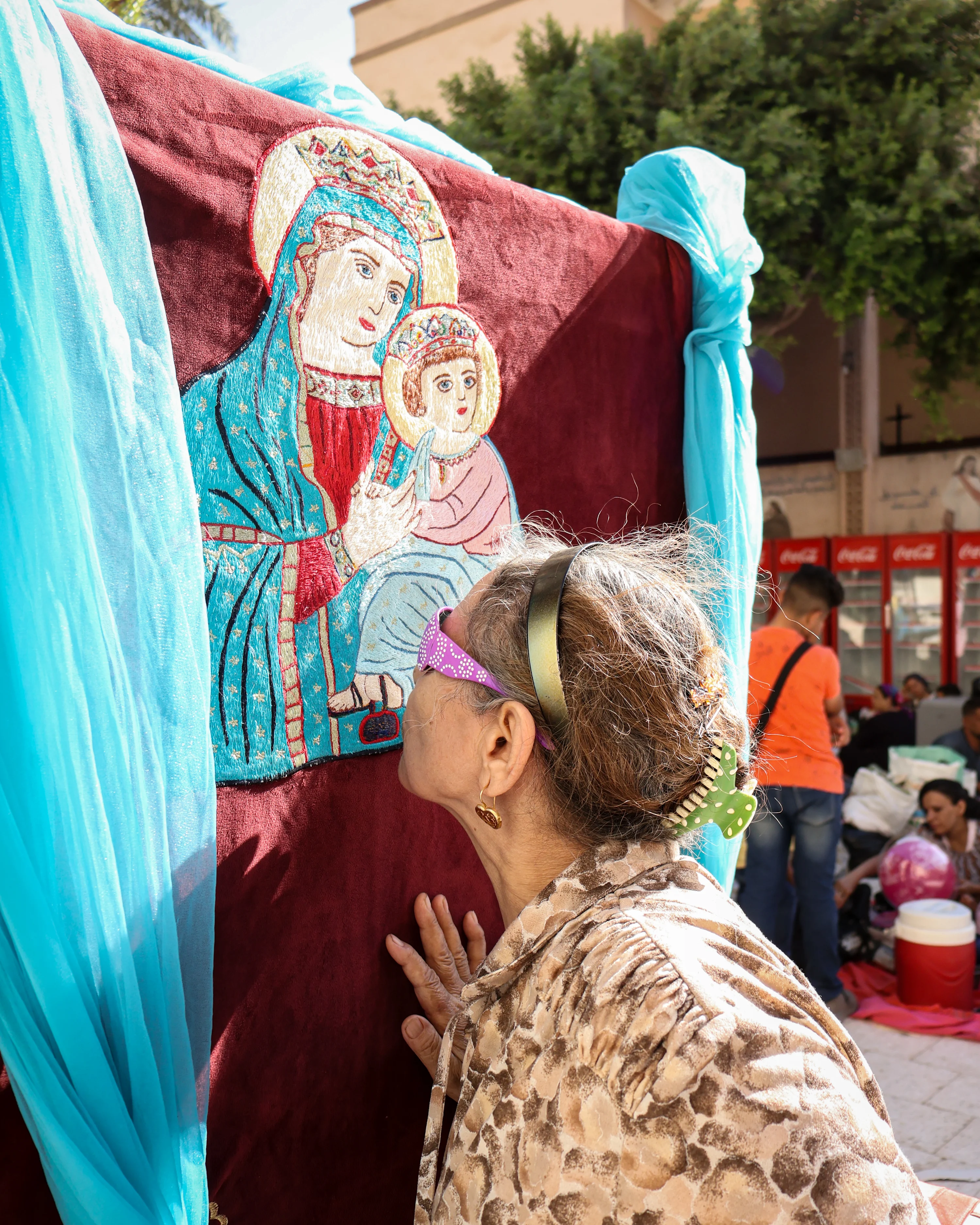
Photographer Kareem Arteen grew up in a Coptic community, where religious celebrations have “always been an important part of expressing faith and connection to our culture,” he tells me. “I grew up hearing my mother talk about going there with her family, staying for 15 days, celebrating, and helping at the monastery. But as a child, I never had the chance to experience it myself.” Photography gave Arteen a way to finally visit the place he had heard about for years and understand it as a part of his identity, history and culture.
Arteen’s first major, self-taught project documented the demolition of his local church, which was more than 160 years old. “I photographed it before, during and after the demolition and rebuilding. I kept wondering why no one was documenting a place with so much history,” he says. The project was an important turning point, encouraging him to lean into documentary photography, and igniting his interest in the history and culture of Upper Egypt. “Since then, I’ve continued exploring my surroundings and documenting religious celebrations, traditions, and daily life,” he says. “I’m afraid that one day, some of the things around me might disappear like my church did—I want to document the places, people and traditions around me before they change or disappear.”
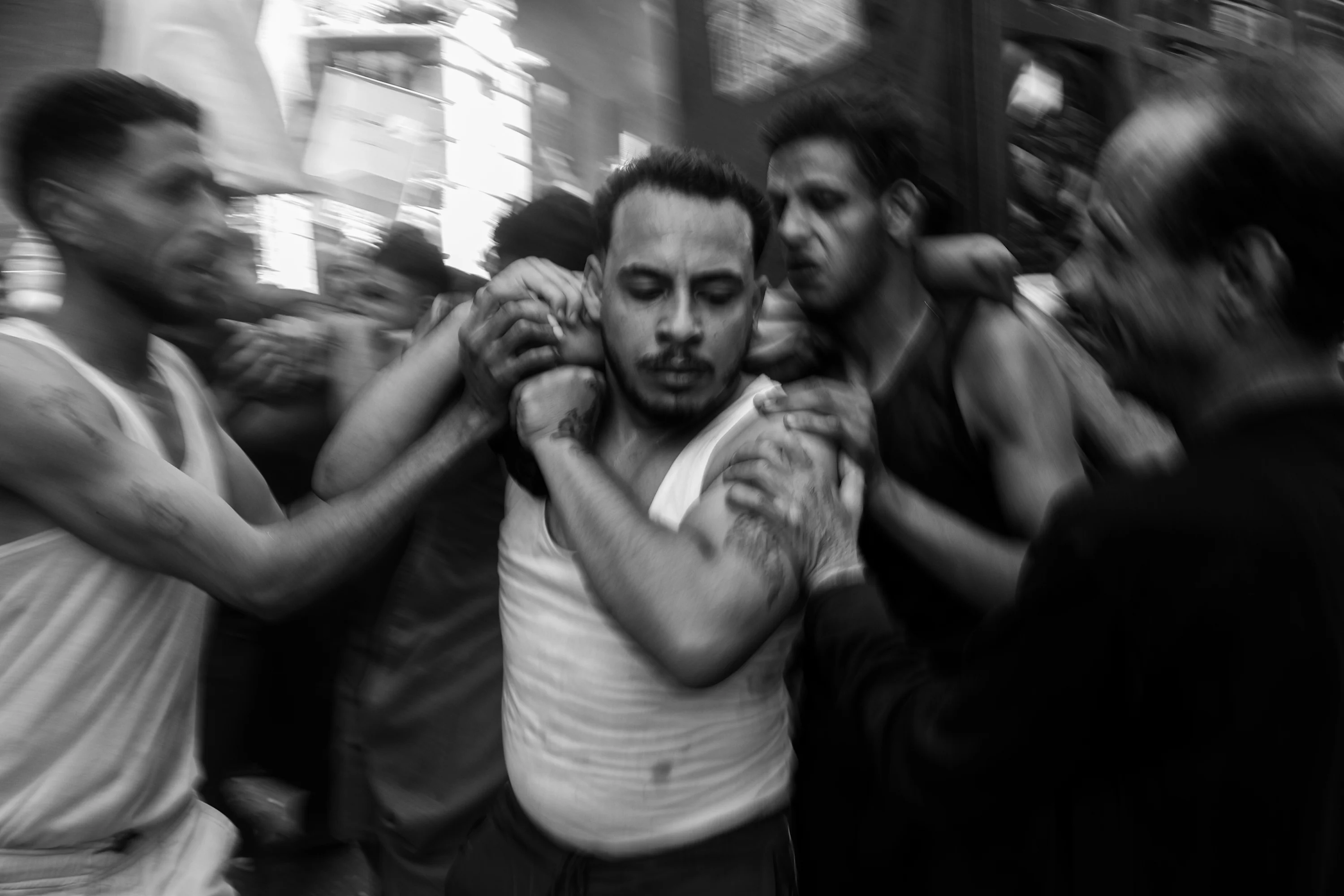
Time is changing many of these traditions.
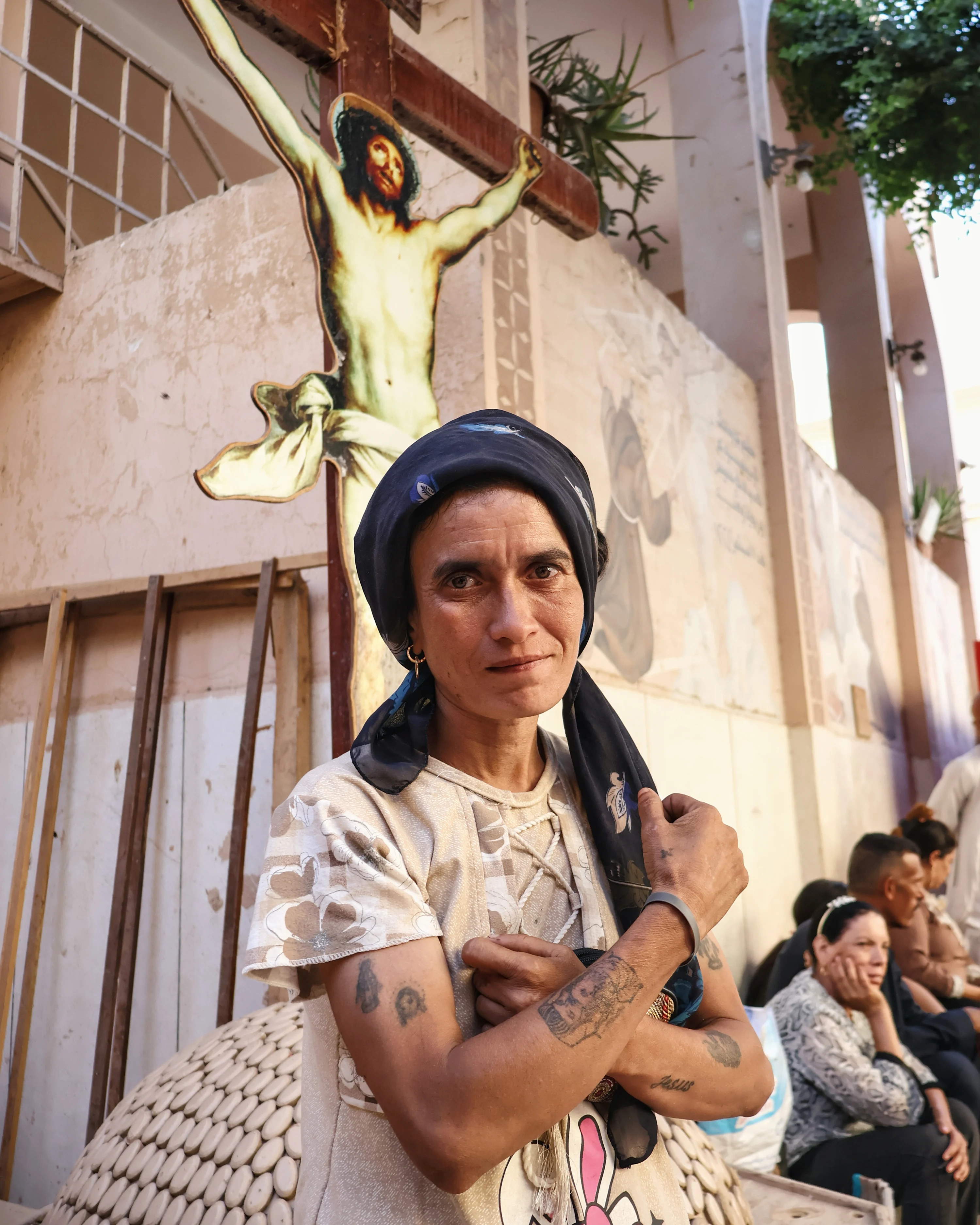
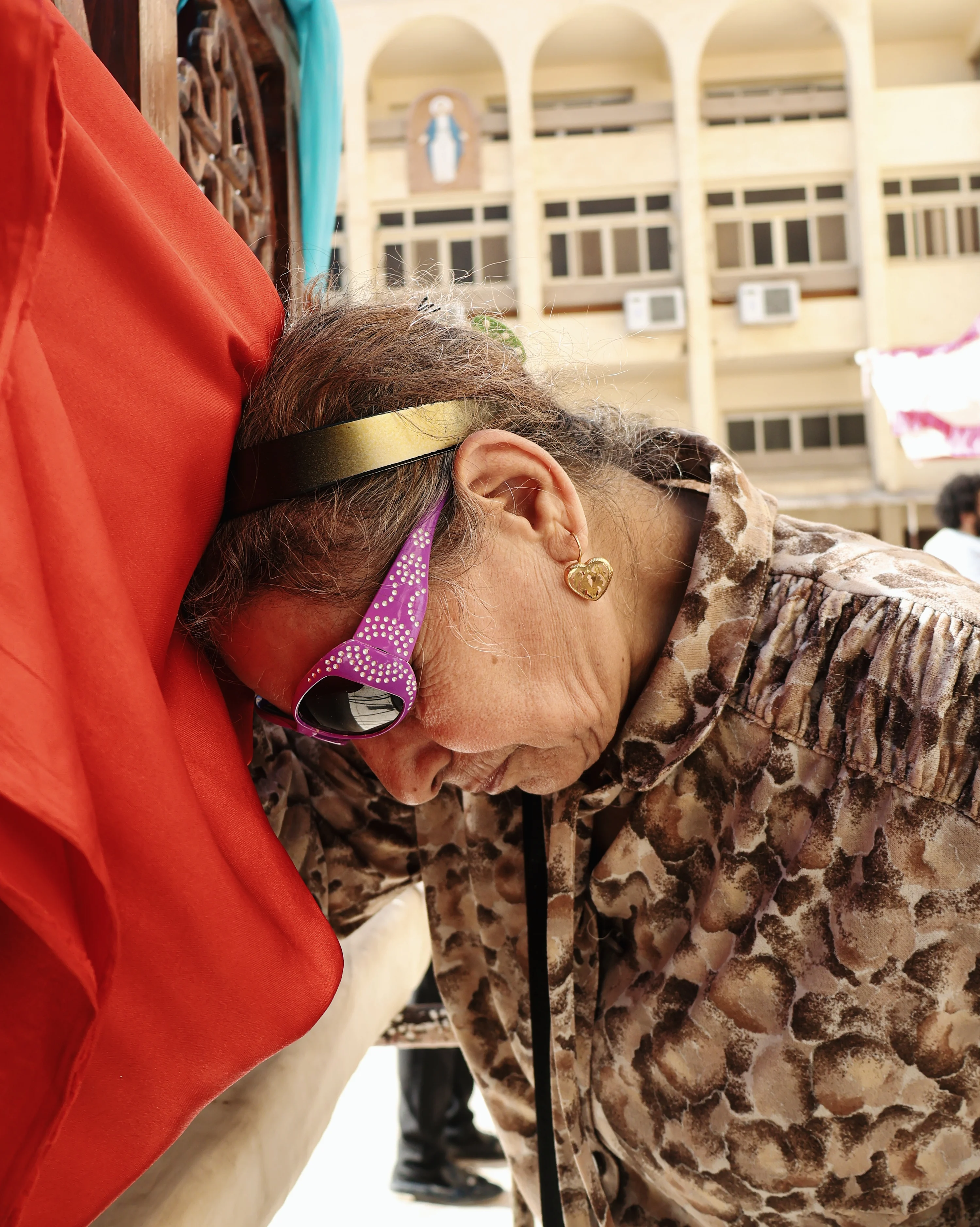
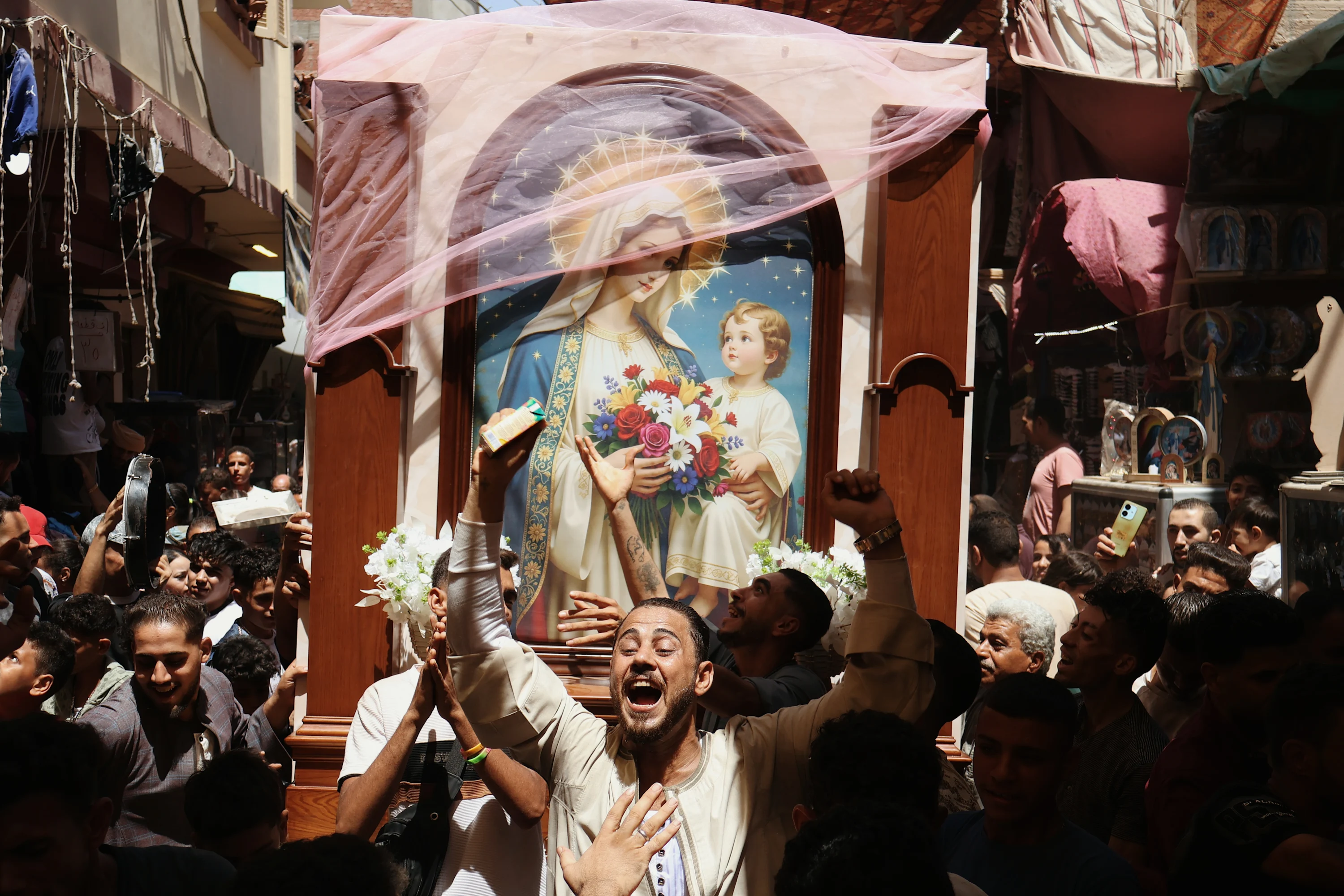
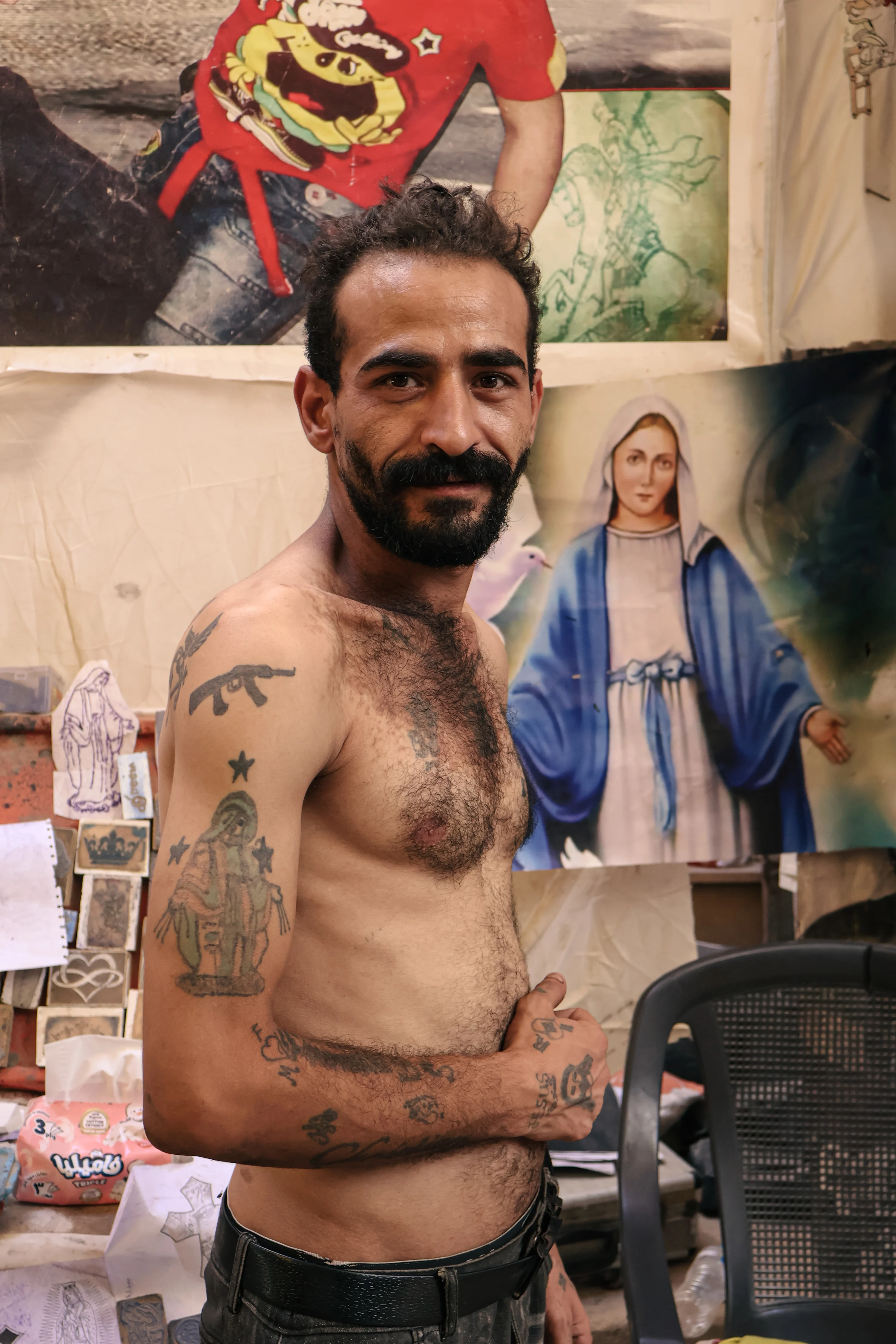
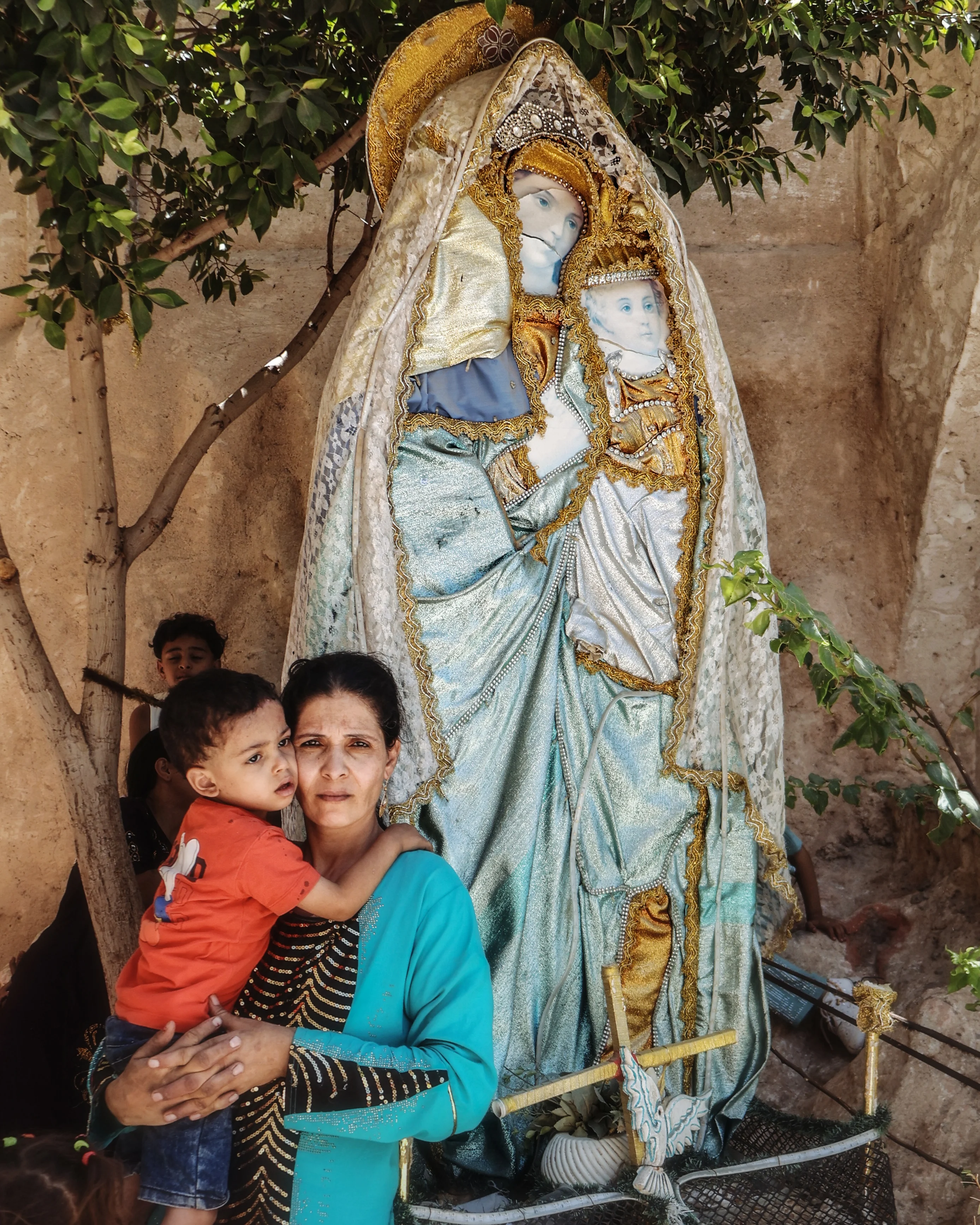
Arteen is focusing his lens on Upper Egypt’s Coptic community, interested in the ways they have “maintained their identity through the conflicts, changes and history they have experienced,” he says. “From a documentary perspective, I feel that Coptic life often receives less attention, while the focus is usually on the problems people face or on well known religious celebrations.” In his images of the Dronkah monastery and pilgrimage, he instead chooses to focus on quotidien details: a cross tattoo on someone’s hand, icons hanging in homes, shops and streets.
In one image, we meet a woman flexing her tattooed arm in a detailed and vulnerable portrait. Arteen had given her money earlier that day, and later she noticed him photographing people’s tattoos, so she started showing Arteen her arm and asked him to take her photo. “This became one of my favorite photos from the trip,” he says. “For the five days I was there, she would come up and say hello whenever she saw me.”
In this sense, the work also has a deeply personal evocation and motivation. Arteen is using this body of work to explore his own identity and history. “I want to live among people, learn more about my culture and document it as I see it,” he says. “Especially because time is changing many of these traditions, customs and celebrations.” Through the camera, he is able to build, strengthen and maintain genuine relationships to the people belonging to their shared Coptic tradition. Photography, in this case, is actually more of the connective tissue for Arteen, and less about the images themselves.
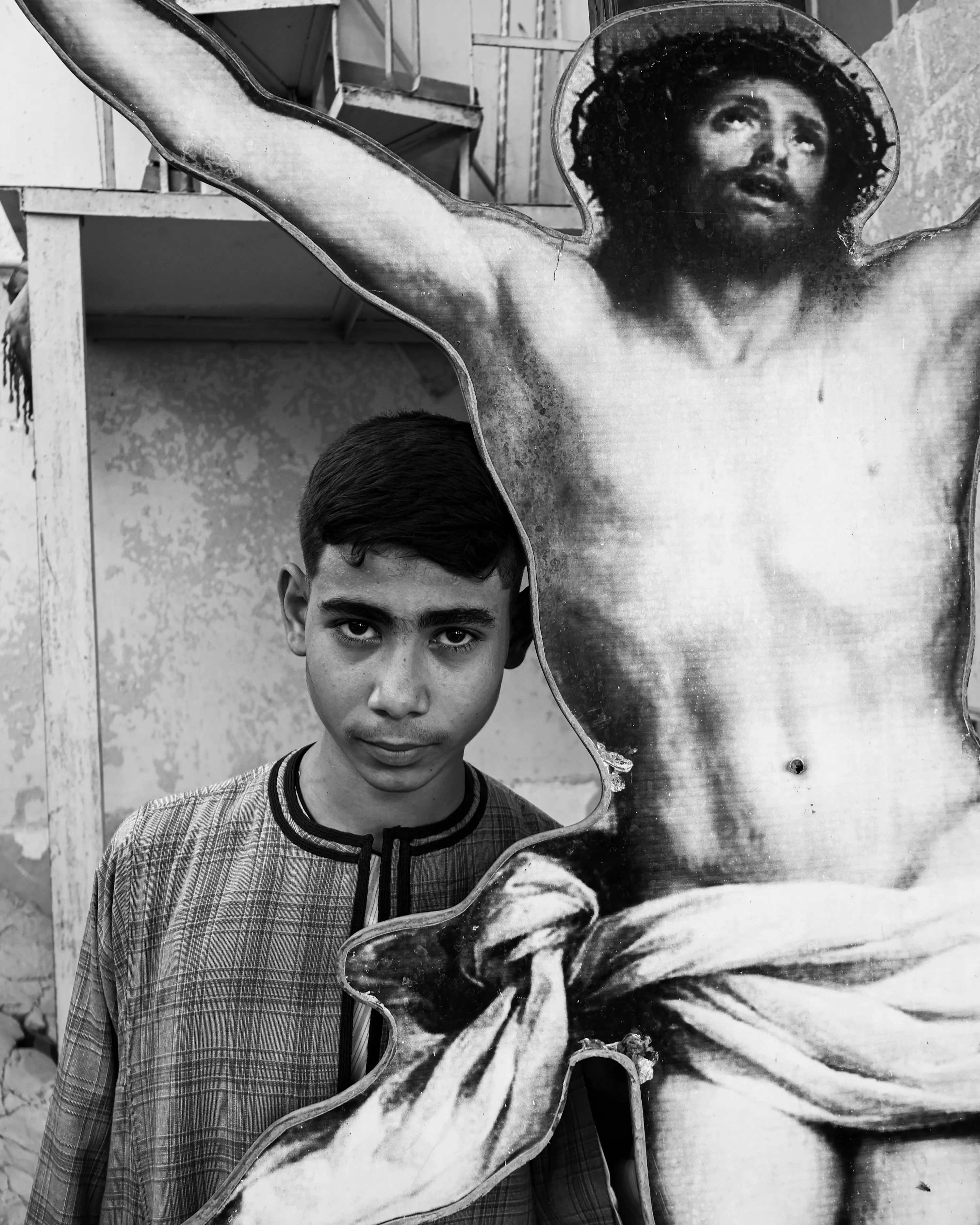
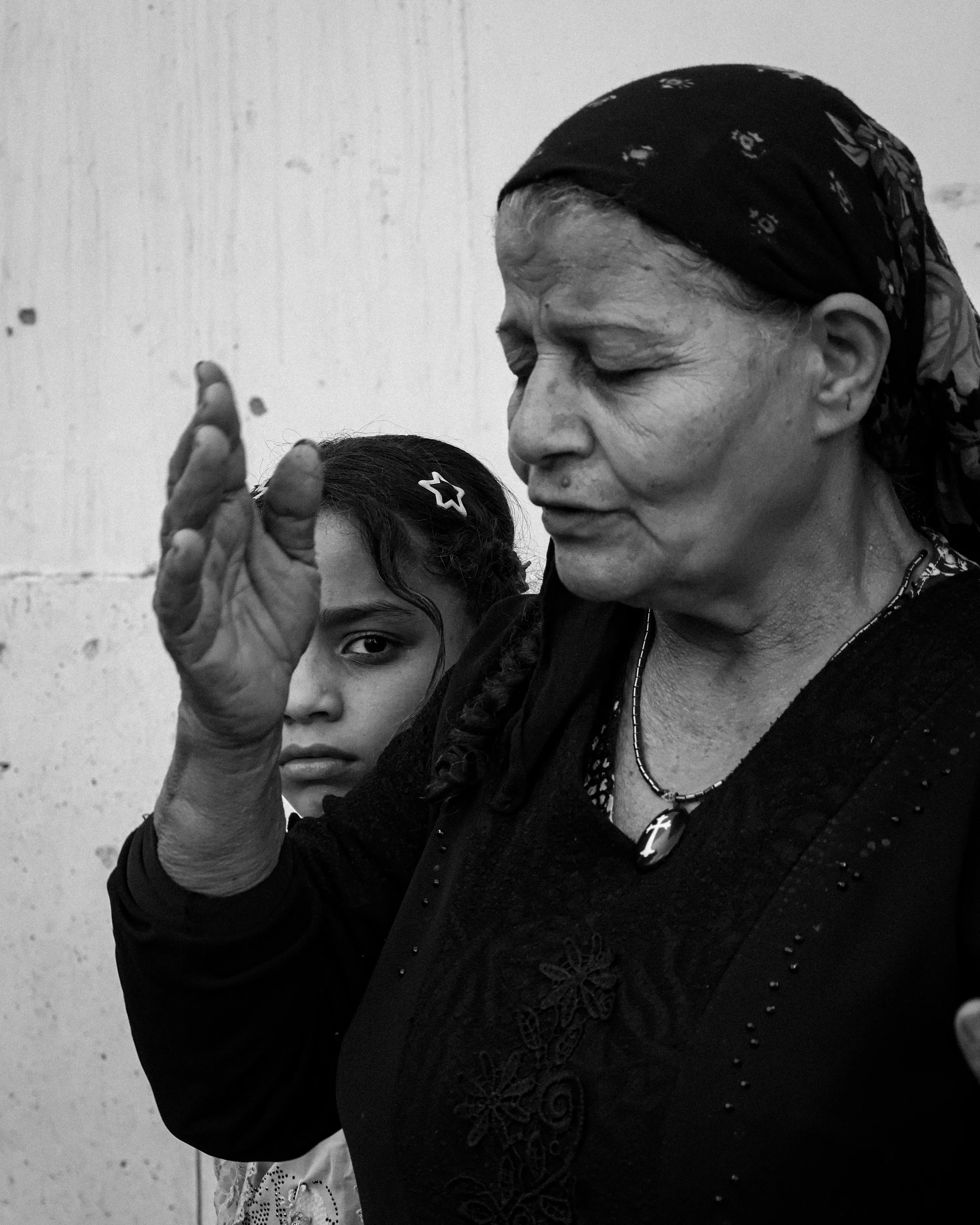
I want to document the places, people and traditions around me before they change or disappear.
Arteen’s main goal now is not necessarily developing technically as a photographer. “I am more interested in experiencing and understanding my culture and identity,” he tells me. “The photography comes after that.” And perhaps this approach is why Arteen’s lens on the Coptic community feels so intimate and simultaneously so expansive; the images are not motivated by aesthetic brilliance or technical bravado alone, but rather by a deep desire to connect to the subjects within them.
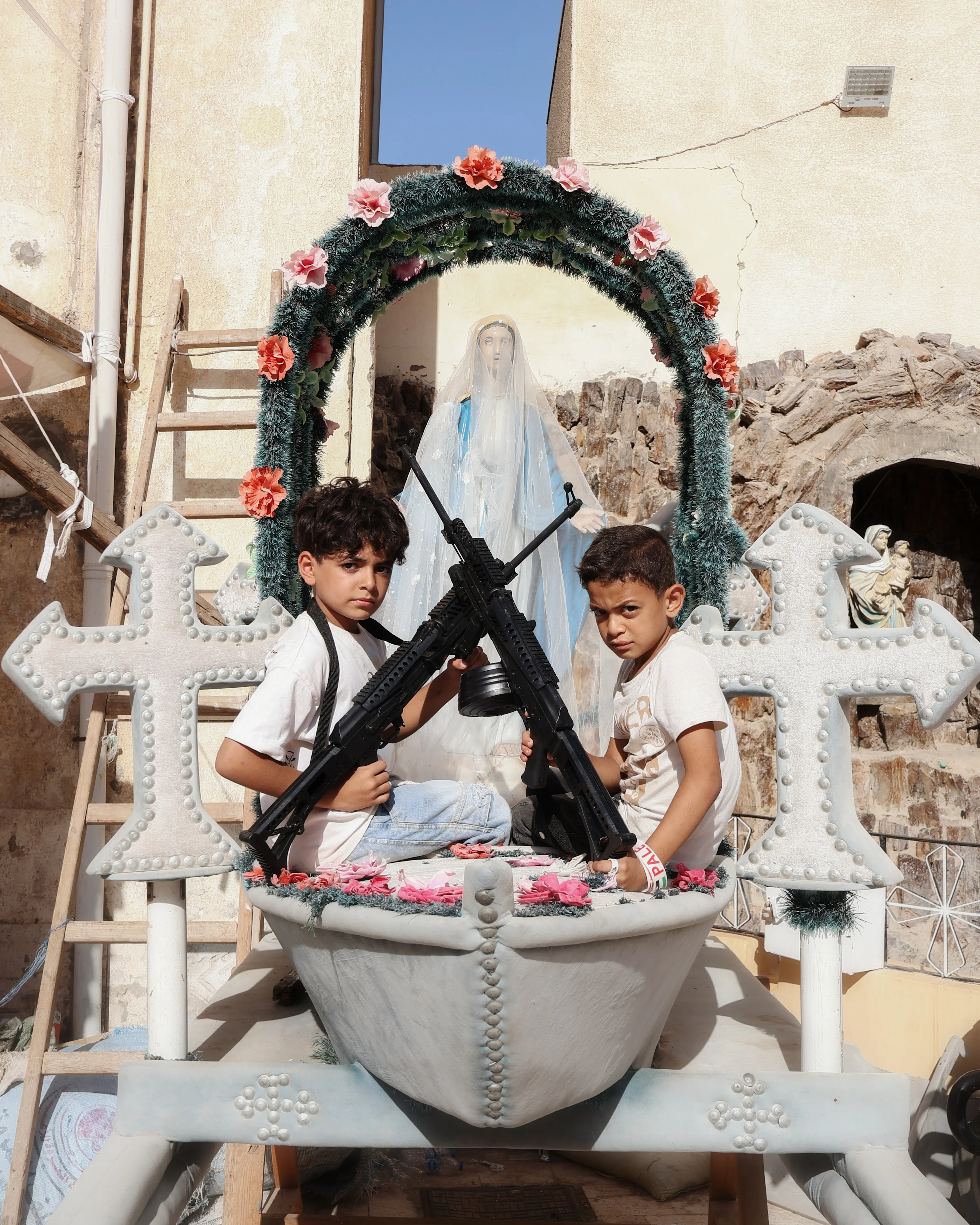
In one photo, two boys holding toy guns in front of a Virgin Mary statuette. The composition of the image draws our eyes naturally to the holy figure, as the childrens’ guns create a natural, almost perfect crosshairs at the center of the statue. “The weapons usually represent war,” says Arteen, “but in this image, I wanted to represent [the boys] protecting the celebration of the Virgin Mary and the traditions connected to it, and showing how faith and traditions can continue from one generation to the next.”